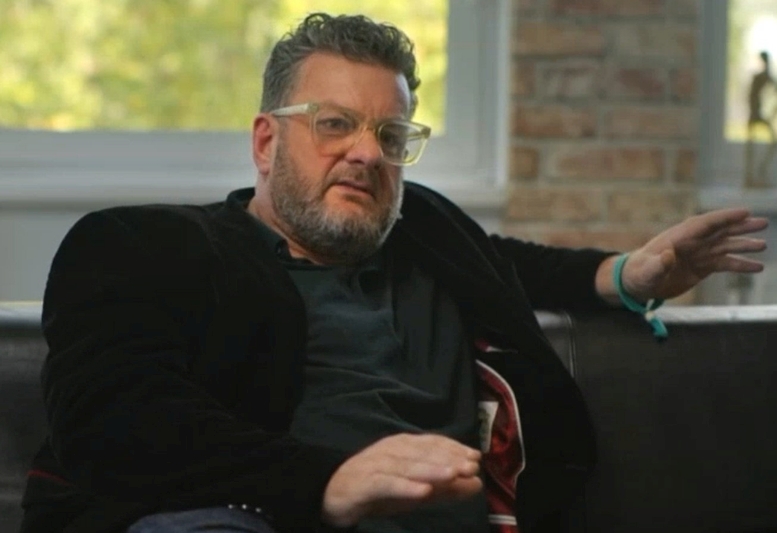
Justin East is a former global creative director for Merlin Entertainments. He left the company last year to found his own consultancy.
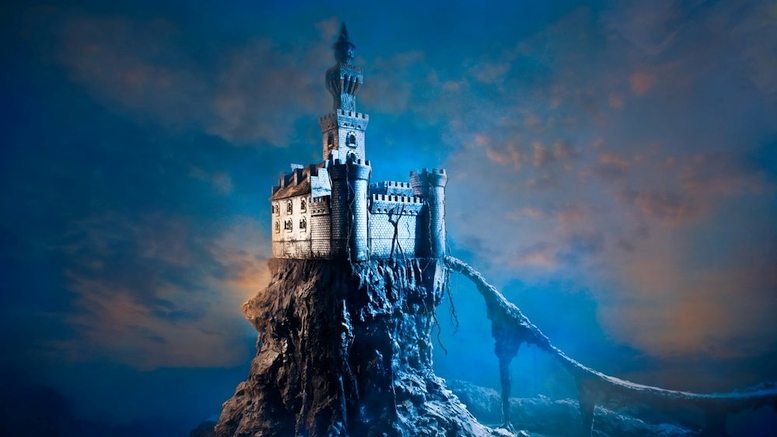
Named Wondertree Creative, the new firm specialises in designing themed environments and attractions.
Its scope is wide open: from single, specific projects, to masterplanning completely new theme parks and resorts.
And despite being founded only last month, Justin tells RideRater that he already has a client looking to build three new theme parks in as many years.
“I am currently working on a project with some folks who are starting their theme park journey,” he says.
“I’ve been tasked to build three parks in the next three years. It’s a great privilege helping make their visions a reality.”
Justin began his theme park career at the Lego Group, working in California in the mid-1990s before progressing through the company.
“I was Group Creative Director in 2005 when Merlin acquired the four Legoland parks,” he explains.
“It was a very exciting time. The world of private equity, rapid expansion, and global roll outs of our portfolio of brands.”
‘Great memories’
Justin describes it as a “fantastic” period in which he had, “total autonomy” and there was “minimal politics”.
“I took over the creative delivery for Merlin and ran the Merlin Studios, which was a real pleasure.
“Some really talented creatives were in the studio in Acton. I have some great memories.
“During that time, I was responsible for roll out of Legoland parks and executed Legolands in Florida, Malaysia, and Dubai.”
Justin also had key creative leadership Merlin’s other brands, including Sea Life Centres, Alton Towers, Chessington World of Adventures and Thorpe Park.

“We acquired the fabulous Gardaland park and the London Dungeon, it was like a creative sweet shop, everybody had vital and interesting work.”
Justin’s rise through the ranks of being a global creative director was achieved with him having dyslexia, about which he is very open to discussing.
“In my younger days I would spend an hour a day to write an email to the business,” he says.
“It would be a lot of anxiety and effort because I was worried that people would judge.
“As I got older, I wouldn’t worry and sent friends and colleagues emails raw. I thought it was a good judge of character how people reacted.
“There were some up-sides on the creative front. The neurological condition is linked to ‘enhanced abilities’ in areas like discovery, invention and creativity.”
Blue-sky thinking
When Merlin took over the operation of Legoland, Justin said his first impression of Merlin Studios was that it was “reactive” and had no “masterplan”.
“Lego had instilled in me the need for a blue-sky development thinking which I had the pleasure of working on with John Jakobson, chief operating officer, who was inspirational.”
Fast forwarding to the past year or so, Justin says he had a new job in what is known as “Merlin 2.0” following the departure of original chief executive Nick Varney.
But Justin decided to move on, and that is how Wondertree Creative came to fruition last December.
“I’d been contacted a number of times by large corporations starting their theme park journeys,” he reveals.
“I’d not been interested [in any offers] until I received a compelling opportunity as a consultant, and the timing seemed right.
“My family have left home, and it was time to grab an exciting new adventure,” Justin adds.
Philosophically, he says that enjoying one’s work work is possibly more important to success than having confidence in it.
“Even more than confidence, the sense of excitement that accompanies being creative will spur our team at Wondertree on.
“I just think creativity is like playing. You can do anything you want, go anywhere you like.
“Without fostering this atmosphere, your studio will become stifled.”
‘Technology a fad’
We asked Justin if he thought the UK theme park industry was on the up, in decline, or maybe staying static at the moment.
“That’s a tough one. I think technology has become a fad, instead of a tool to be utilised [in creativity],” Justin says.
He adds that he feels technology has become a “means to an end”.
“I was speaking with a counter part at Cirque de Soleil at an immersive theatre seminar in Los Angeles. We discussed technology is of itself neutral as regards its novelty,” Justin explains.
“The technology has to be applied in a compelling way. I like the the challenge of using ordinary technology in an extraordinary way.

“I do chuckle sometimes with the perception of the creative teams designing the rollercoaster. They are exclusively designed by the ride manufacturer.
“The creative teams might design the vehicle aesthetic, loading-unloading platforms, and the signage.
“In essence, all technologies are utilised in the pursuit of designing a show or spectacle.”
Justin adds that he feels UK parks could be lacking investment due to “soft” visitor numbers at the moment.
‘Danger of more coasters’
We move on to discuss what the UK theme park industry might need right now.
Justin sees the potential Universal UK park being a key player if it becomes a reality.
“I think it will be very interesting if the Universal deal materialises,” he says.
“The theme park industry hasn’t really had an innovation breakthrough since Derren Brown’s Ghost Train, which redefined what an attraction is.
“I think [the UK industry] is in danger of more coasters and more interactive dark rides.

“I saw some interesting work on dark rides, where the guests have more agency, and the rides were non-violent.
“There’s always room for thrill, however non-violent rides would be a welcome flavour in an attraction mix for the 21st century.”
Finally, we ask Justin if he has any (creative) pearls of wisdom for those aspiring to get into creative design.
“What I would tell my young self is: to be great you have to listen, you have to understand humility and you have to recognise your own vulnerability.
“And that, I can assure you, is hard.”