
“Post-pandemic recovery” was one of the most common buzz-phrases heard from UK theme park bosses after the most severe COVID-19 restrictions eased.
There was a short-lived surge, driven by “pent-up demand” (another buzz-phrase perhaps) that built up while people couldn’t go out to have fun.
Now, in many cases, those same people can’t afford to go out, at least not to a theme park which might cost £30 to £50 per person.
Inflation, energy price hikes, and the associated reduction in disposable income all mean that theme park bosses accept people are being more careful than ever with their discretionary spend.
About two-and-a-half years ago, it was reported that visitation to paid-entry attractions was behind those whose admission was free.
The post-pandemic recovery was a modest 46% growth for paid attractions, while free-admission alternatives grew by double that, at 92%.
And last year it was also reported that there was a clear trend towards last-minute bookings and shorter stays when people plan their trips to attractions.
Obvious effects
Over the last year or so, we have seen an obvious effect on UK theme parks – the vast majority of which charge for admission, and most also offer hotel stays.
Oakwood theme park buckled in March this year, after 38 years of operation.
Wicksteed Park, currently free admission, is reportedly considering introducing an admission fee to cover £1.4 million annual operating costs.
Meanwhile, the also-free admission Fantasy Island announced that it would implement ride closures during off-peak periods during the usually lucrative summer season.
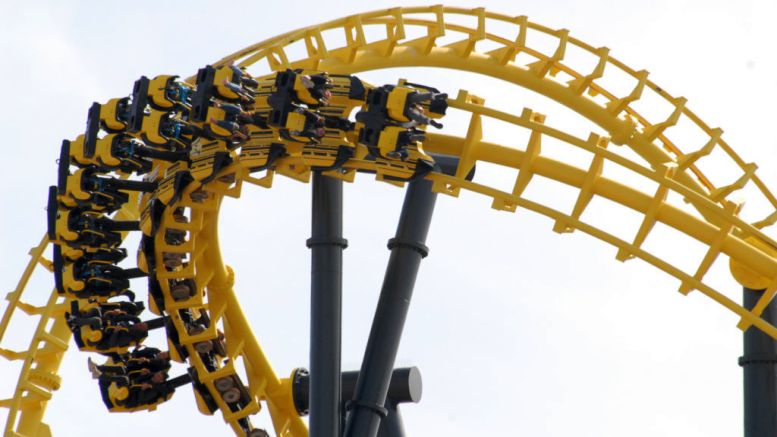
The Lincolnshire amusement park’s owners blamed the “crippling effect” of the government’s budget as a factor in its decision to make savings.
As guest numbers, stays over, and general spend have all fallen, UK theme parks have attempted to draw people in with ever-intensifying promotional offers.
Less for your money
2025 has seen more promotional offers, discounts, free return visitors, marketing, and general advertising like nothing else in living memory.
But in many cases, food and retail prices have been simultaneously and significantly increased, as parks look to extract more from their most loyal costumers that keep coming back.
Last year we looked at how some food prices had trebled over 11 years.
As well as rising prices, there has been a simultaneous operational squeeze from parks offering less ride availability.

We have seen rides open an hour or so after park openings, plus some rides ending their season early in the name of planned/scheduled maintenance.
The reality is that both delayed daily openings, and early-in-the season closures of rides, generate considerable operational savings to parks.
But theme parks rely heavily on return visitation, and reduced ride availability could leave a sour taste capable of stifling repeat visits in 2026 and beyond.
At the same time, there is a high degree of scrutiny on the effectiveness of capital investment from the investors that bankroll parks.
Capital scrutiny
Merlin Entertainments was effectively warned it is spending too much on capital after its credit rating was downgraded last month.
Ultimately the view is that the company has not seen significant returns on its capital investments.
The more worrying thing is that without the Hyperias (Thorpe Park) and Nemesis Reborns (Alton Towers) of this world, visitor numbers could be even more supressed.
Merlin has responded to lack of returns by delaying some major new capital projects, and writing off millions in value of existing assets globally.
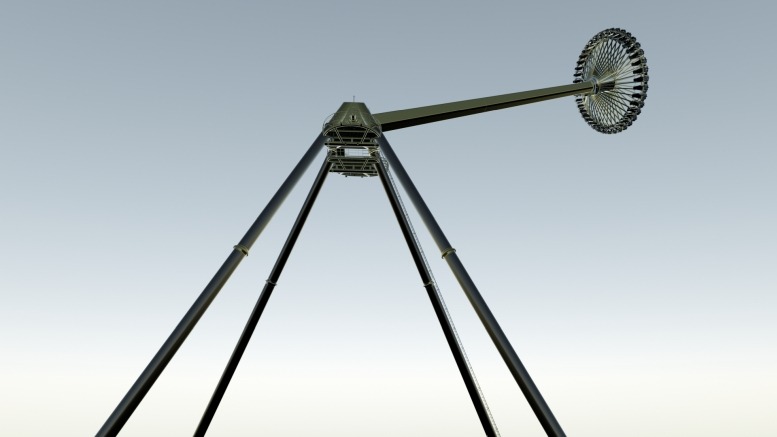
Taking a slightly different path, Blackpool Pleasure Beach is making a major investment in the near-£9 million Aviktas next year.
But the Lancashire amusement park has also suffered dampened visitation and guest spend in 2025. Only time will tell what effect Aviktas will have.
The Pleasure Beach is somewhat insulated from shocks due to its private family ownership, and a holdings company structure which sees income generated from multiple separate business units.
The park also continues to work very closely with the local council, which offers bundle deals for other attractions, as well as discounts for locals to regularly pop into the park.
Such collaboration feels crucial to the the Pleasure Beach’s wellbeing.
This compares with Southend’s Adventure Island, whose owners openly battle with local authorities over policy.
Perfect storm of challenges
There are a combination of political, economic, and social factors that are battering UK theme parks.
Rail strikes and generally rising transport costs can also be thrown into the mix of this seemingly perfect storm of challenges.
And of course when operations and staff hours are cut, workers lose out on earnings and already troublesome staff retention issues can be exacerbated.
Theme parks are by nature would-be-nice things to do, so they are naturally one of the first things to cut out of family plans when budgets are tight.
But with those that are still visiting possibly less satisfied than before, the risk of another UK theme park succumbing soon feels very real.
The next generation of theme park visitors is likely to experience fewer parks, very different ones that have been forced to change, or possibly a combination of the two.