

The year is 1997, and Blackpool Pleasure Beach bosses are celebrating takings of over £500,000 in a single day.
The park has been on a pay-per-ride (PPR) system – which allows anyone to enter and walk around – for the 100 years it has been in existence.
Fast forward to 2022. Across the year the park makes pre-tax losses of almost the same figure: £522,000.
Unlimited ride wristbands were introduced in 1999. Ten years later, walk-on free admission was controversially removed completely.
There was however the option at that time for a pass which would allow non-riders admission for about £5.
Then comes COVID-19, and the Pleasure Beach emerged from lockdowns with unlimited ride wristbands being the only form of entry offered.
This system is known as pay-one-price, or POP. It is the model inland British theme parks have operated for many decades.
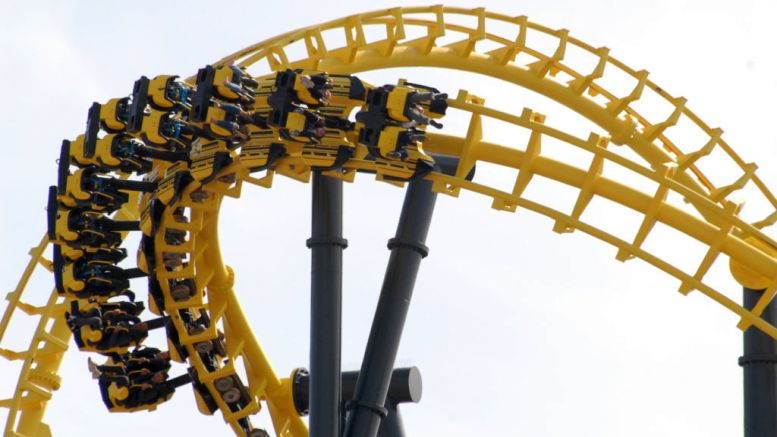
Adventure Island, Fantasy Island, and a whole number of other smaller coastal amusement parks have retained a free walk-on policy throughout their existence.
Most parks still offer unlimited ride wristbands, even when walk-on admission is completely free to anyone who doesn’t want to ride.
Great Yarmouth Pleasure Beach made a shift during COVID. Initially it was wristbands-only to get in.
But now, a ‘Fun Card’ can be purchased for as little as a £5, and that will allow admission with rides excluded all season.
That leaves Bottons Pleasure Beach in Skegness as the only Pleasure Beach in Britain that retains the classic, free-flow, walk-on policy.
Policy changes
At Blackpool, there have long been calls for pay-per-ride to return. It seems an almost endless discussion.
What has now taken over the discussion is for the mandatory wristband – £50 on-the-day or about £33 in advance – to be supplemented by cheaper options for those not wanting to go on rides. Think grandparents.
At the time it introduced wristbands (but then had retained free entry), Blackpool Pleasure Beach claimed to be getting about 7.5 million visitors a year.
Today, the numbers aren’t publicly revealed, but it seems safe to say they will be just a fraction of that.
There are strong views among theme park and ride enthusiasts, as well as the more general tourist and park visitor.

Phil Owens used to visit Blackpool Pleasure Beach several times a year, but no longer, he says.
“I’ve been there once since they started charging entry,” he told RideRater.
“[I] used to go a few times every year with my daughters and would love to take my grandchildren but I don’t go on any rides, and the boys only go on kiddie rides.
“I’ll be dammed if I fork out over £100,” he adds, when describing the current admission charges.
Graham Castle shared his memories of visiting the amusement park more than four decades ago.
“I used to love to go to the Pleasure Beach and watch others enjoy themselves,” he told us.
“I would then buy a baked potato and go on the monorail and River Caves. I’ve not done that for 40 years, but I would do it again.”
Only Blackpool Pleasure Beach bosses know if the current policy is making financial sense, but there are certainly a lot of people saying they will no longer visit.
‘Secondary’ spend
Many claim that ‘secondary’ spend – or possibly ‘primary’ if admission charges were removed – would be a given if they didn’t have to pay the same price as those going on the rides.
Food, drink, souvenirs, games, retail: there is certainly no shortage of secondary spend options at the Pleasure Beach, or most other seaside amusement parks.
The dilemma for Blackpool Pleasure Beach seems to be between balancing a multi-day destination to support the hotels, and providing an attraction that is accessible for a couple of hours on a budget.
With the former in mind, the Pleasure Beach’s hotels are one of the few currently-profitable arms of the Thompson family’s business.

On the other hand, Fantasy Island operates a seemingly successful multi-day model with walk-on, free entry retained.
The Lincolnshire amusement park – with current attendances surely far higher than Blackpool Pleasure Beach – offers two-day wristbands to those holidaying nearby.
Crucially though, there are no multi-million pound hotels as part of the accommodation offering, rather caravans and chalets tend to be the options.
Darker side
The 1997 Blackpool Pleasure Beach documentary, in which the £500,000 takings were one night a celebratory scene, also revealed a darker side of unrestricted free entry.
The park’s security seemed to be operating almost as a full-time police force, with holding cells to boot.
Bomb scares, assaults, and thefts were all came hand-in-hand with the liberal admission policy.
And crime was an occasional feature of the Pleasure Beach throughout its history, extending back to its Victorian-era founding.
Times may have changed to some degree, but so has security.
Terrorism remains a constant feature of any public attraction’s risk assessment.
But despite this, there are still parks where anyone and everyone is free to walk in and out as they please, with no security checks at all.
And crucially, they appear to operate without major incident – even if they are smaller and possibly easier to manage.
There are ways and means of running a very busy amusement park with free and unrestricted admission, but it is sadly much more complicated than what many people will likely realise.